In September 2026, the second national study conducted by the SPA and the Affinity Foundation revealed that over 84,000 cats and dogs were refused by overwhelmed facilities in 2025. The waiting period before adoption reaches about six months in many shelters. This data raises a concrete question: beyond the emotional impulse, taking care of a pet on a daily basis relies on specific commitments, sometimes underestimated at the time of acquisition.
Commitment certificate and identification: two legal obligations before adoption
Even before bringing a dog or cat home, the law imposes formalities that many future owners discover too late. The commitment and knowledge certificate must be signed by anyone acquiring a dog or cat. This document is only valid after a legal waiting period of seven days, during which the buyer is supposed to assess the physiological, behavioral, and medical needs of the species.
The certificate also reminds of the financial and logistical implications of pet ownership. It is not just a simple administrative formality: this reflection period was designed to reduce impulsive adoptions, identified as one of the factors leading to abandonment.
Identification by microchip remains mandatory for dogs, cats, and ferrets. It conditions access to veterinary care in case of loss and allows for the recovery of the responsible owner. According to publicly available data on data.gouv.fr, the number of identifications recorded in 2025 was subject to national monitoring, reflecting a desire for increased traceability from public authorities.
Among the information from the 4 Pattes d’Amour website, there are useful benchmarks to understand these procedures in their practical context, especially for first-time adopters.
Pet abandonment: the real causes according to the 2026 SPA study
The image of an abandoned animal on a highway rest area in summer persists, but the September 2026 study paints a more nuanced picture. Abandonments are frequently linked to unanticipated life changes: relocations, job losses, separations, aging, or the death of the owner.
Behavioral issues of the animal constitute another recurring reason. A dog that destroys furniture or a cat that cannot tolerate living with a young child is not merely a whim. These situations often reflect a lack of behavioral support beforehand, sometimes starting in the first weeks after adoption.
Overwhelmed shelters can no longer absorb the flow. The fact that some facilities had to refuse many animals due to lack of space creates a domino effect: the refused animals remain with struggling owners or end up as strays. Field reports vary on this point, with some local actors reporting very different situations from one department to another.
Assessing one’s constraints before adopting
The SPA study indirectly points to a deficit in self-assessment. An owner moving to a smaller apartment or changing their professional rhythm does not always measure the impact on their animal. Associations recommend asking concrete questions:
- Does the current and future housing allow for the animal to be welcomed in good conditions, including in the case of a foreseeable move within the next two to three years?
- Does the monthly budget cover food, parasite treatments, veterinary consultations, and potential pet health insurance?
- Is there a care plan for periods of vacation, hospitalization, or extended business travel?
These questions may seem simple. However, they are often absent from the majority of online adoption pathways.
Preventive veterinary care: vaccines, antiparasitics, and regular follow-up
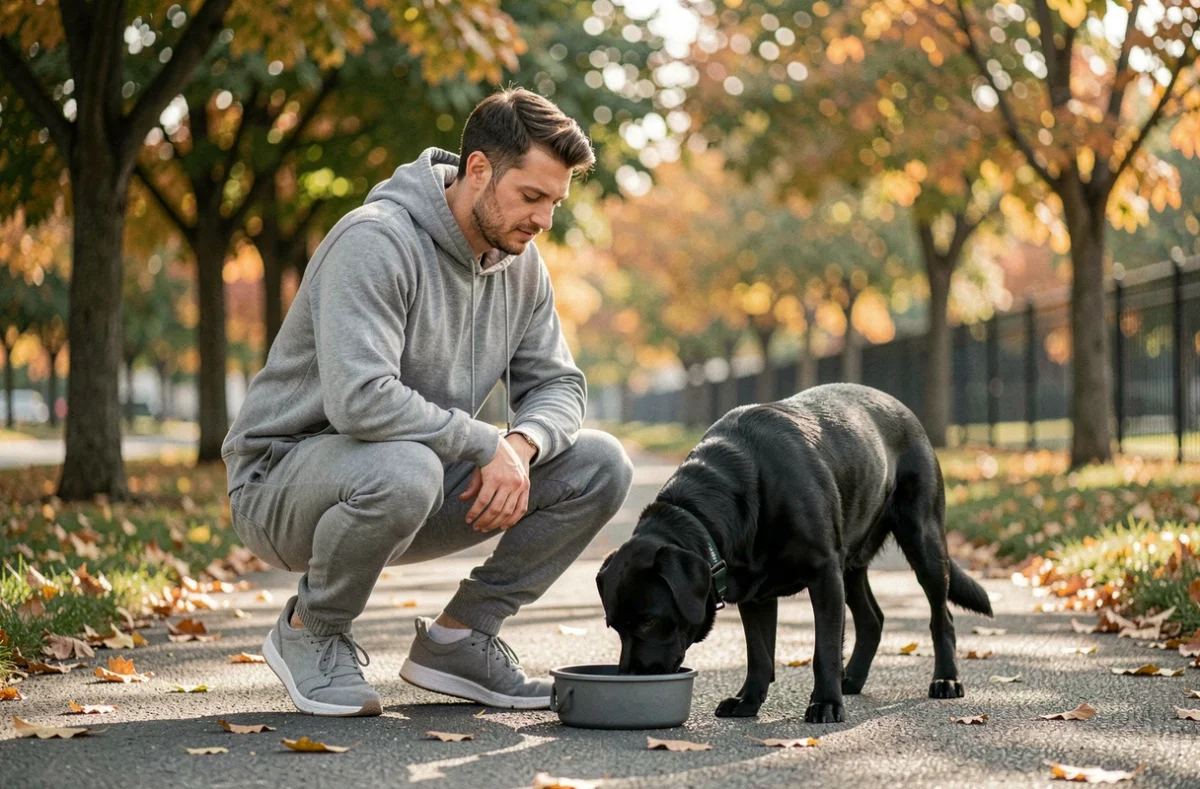
Prevention remains the most effective lever to preserve the health of a dog or cat in the long term. Vaccines protect against common diseases, some of which are fatal (parvovirus in dogs, typhus in cats). Boosters are no longer systematically annual for all vaccines, but follow-up must be maintained with the treating veterinarian.
Parasite treatments (fleas, ticks, worms) must be administered regularly, depending on the animal’s lifestyle. An indoor cat without outdoor access does not have the same needs as a dog that frequents the underbrush every weekend. Adapting the protocol to the actual profile of the animal avoids both undertreatment and unnecessary expenditure.
Dental scaling, a often neglected care
Dental problems affect a significant proportion of dogs and cats starting from a few years old. Accumulated tartar causes gingivitis, infections, and sometimes renal or cardiac issues through bacterial pathways. Regular veterinary scaling prevents costly and painful complications for the animal.
The cost of this intervention deters some owners. In contrast, treating an advanced dental infection is significantly more expensive and sometimes requires extractions under general anesthesia.
Co-ownership and rental lease: the legal framework for animals
Owning a pet in an apartment regularly raises conflicts between tenants, landlords, and property managers. The law prohibits landlords from including a general clause banning pets in a residential lease, except for category 1 and 2 dogs subject to specific regulations.
In co-ownership, the regulations cannot prohibit the ownership of pets except in cases of abnormal neighborhood disturbances (excessive barking, odors, damage to common areas). The available data does not allow for conclusions about the actual frequency of disputes brought to court, but specialized animal law firms report an increase in consultations on these issues since 2024.
- Check that the lease does not contain an abusive clause prohibiting any pet
- Keep up-to-date proof of vaccination and identification, which may be required by the landlord in case of dispute
- Anticipate noise nuisances: a dog barking in the absence of its owner may justify a formal notice from the property manager
The civil liability of the pet owner generally covers damages caused to third parties, but home insurance contracts deserve careful review on this point.
Caring for a pet on a daily basis goes far beyond the question of food or cuddles. Legal obligations, preventive veterinary follow-up, and consideration of the living environment form a set that every owner benefits from mastering before, and not after, the arrival of the animal.