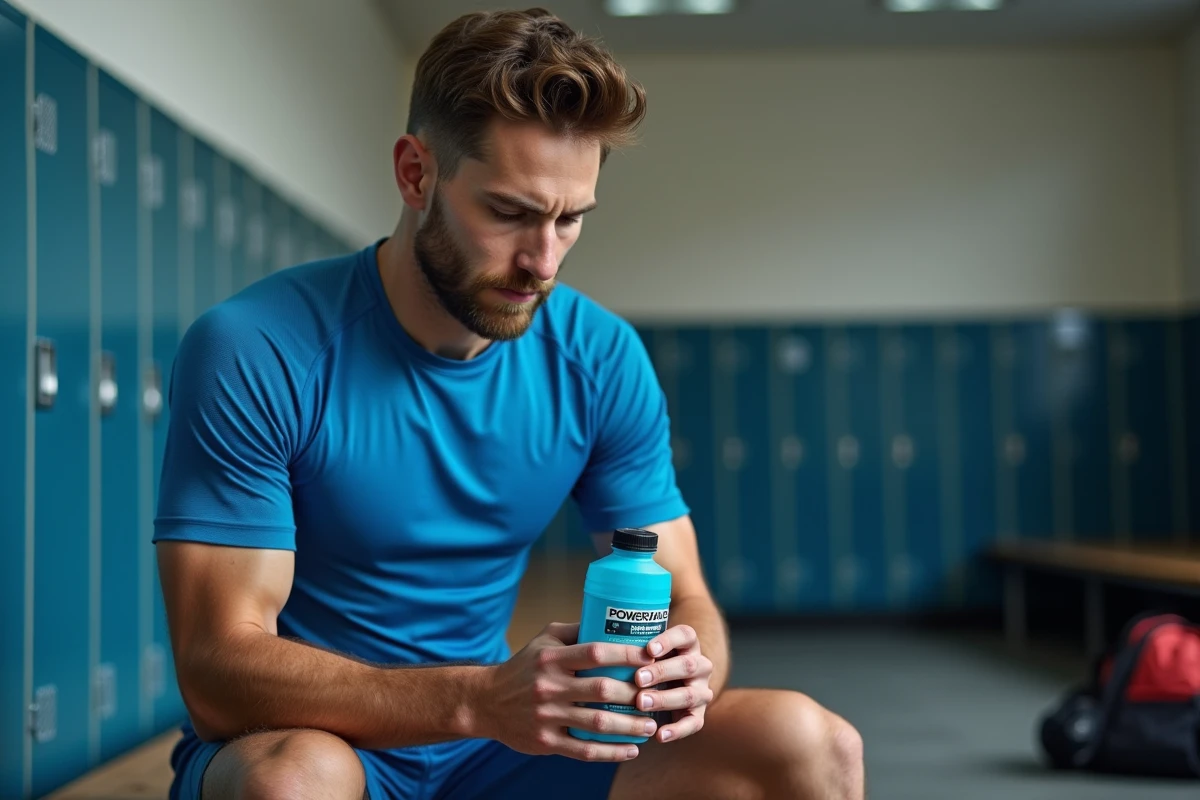
Powerade is an isotonic drink, not an energy drink. The confusion between the two categories skews most public analyses on the subject. Powerade contains neither caffeine nor taurine. Its nutritional profile is based on three pillars: water, quick sugars, and electrolytes (sodium, potassium). It is this composition that determines its real effects when consumed daily, outside of any sports context.
Dental Erosion and Powerade: An Underestimated Risk Outside of Sports Context
Isotonic drinks share an acidic pH with sodas, which weakens enamel. A review published in Clinical Oral Investigations in 2023 (Margaritis V. et al.) highlights that sports drinks are increasingly contributing to dental erosion among adolescents and young adults. The problem lies as much in the acidity of the liquid as in the mode of consumption.
Drinking in small sips throughout the day, as one would with a bottle of water, maintains a low oral pH for hours. Saliva does not have time to remineralize the enamel between exposures. This pattern is much more harmful than a single intake during exertion, where saliva production is higher.
An article detailing the effects of Powerade on health reminds us that this drink is not identified by most consumers as a “risky sweet product” in the same way as a cola. This distorted perception encourages daily consumption without specific dental precautions.
Sodium Load of Powerade: What is the Renal Impact with Regular Consumption
The sodium contained in Powerade serves a specific function during exertion: compensating for sweat losses and facilitating intestinal absorption of water. Outside of intense physical activity, this sodium intake adds to an already excessive salt diet for the majority of the Western population.
Several recent studies indicate that regular consumption of sodium-rich sports drinks may contribute to chronic sodium overload. For the kidneys, this means increased excretion work, without functional benefit. In individuals with salt sensitivity (predisposition to hypertension), the effect is more pronounced.
We recommend clearly distinguishing between two situations:
- Training for more than an hour with significant sweating: the sodium intake from Powerade is justified and improves rehydration compared to water alone.
- Sedentary day or moderate effort of less than 45 minutes: plain water meets hydration needs, and dietary sodium is more than sufficient to maintain electrolyte balance.
- Daily consumption without physical activity: sodium accumulates without being mobilized, which unnecessarily stresses renal filtration and may contribute to a gradual increase in blood pressure.
Sugars and Reformulations: Does Powerade Zero Change the Game
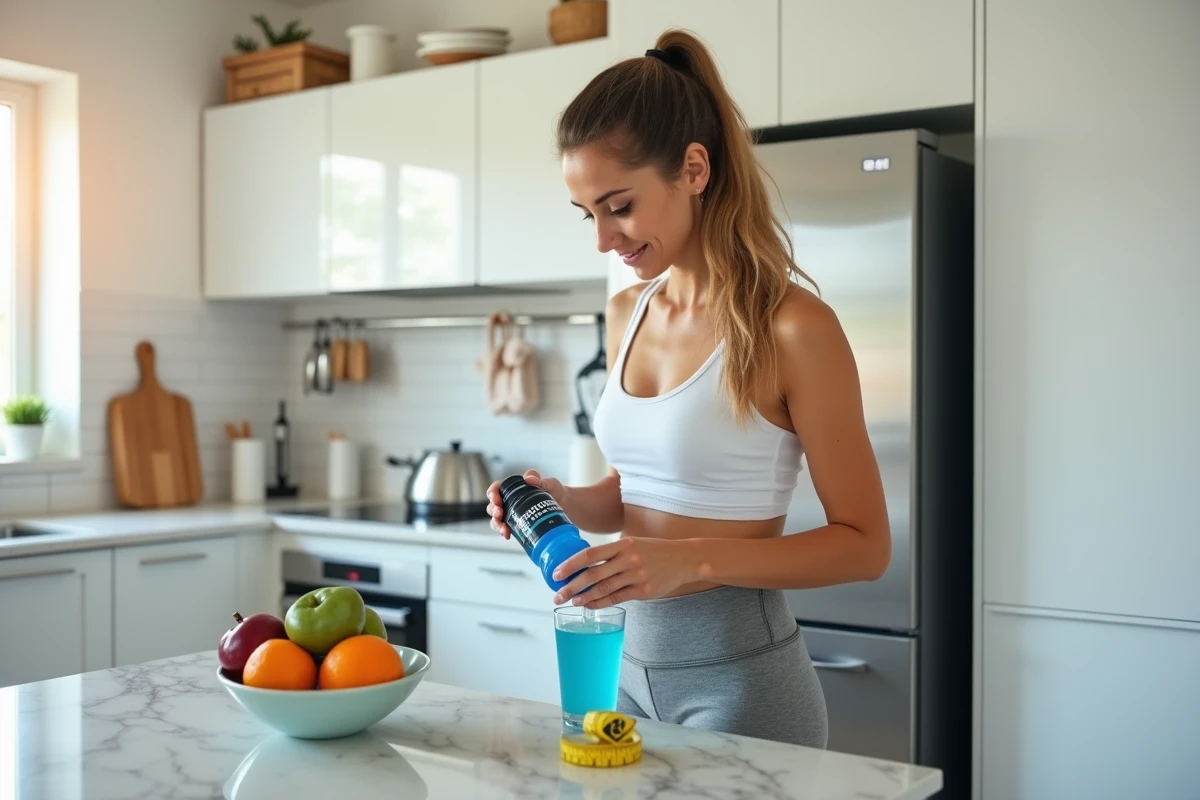
Coca-Cola has reformulated several ranges since 2023 to reduce sugars and expand the no-sugar offering, led by Powerade Zero. This version eliminates the caloric intake associated with carbohydrates, significantly altering the metabolic profile of the product.
A Powerade Zero does not pose the same glycemic problem as a classic Powerade. The original version provides a notable amount of quick sugars per bottle, which, outside of exertion, causes an insulin spike without corresponding energy expenditure. Repeated daily, this pattern promotes insulin resistance.
The Zero version uses intense sweeteners. It eliminates the caloric issue but does not resolve either the acidity (the pH remains low) or the sodium load. Therefore, it does not constitute a complete solution for daily consumption outside of sports.
What the Zero Version Does Not Correct
Dental erosion persists with a Powerade Zero because the acidity of the product does not depend on sugar but on the organic acids used as flavor enhancers. Sodium remains present in amounts comparable to the classic version, as it contributes to the characteristic salty taste of the isotonic drink.
Switching to Zero reduces metabolic risk but does not eliminate dental risk or sodium overload.
Powerade Daily: Who It Is Defensible For, Who It Is Useless For
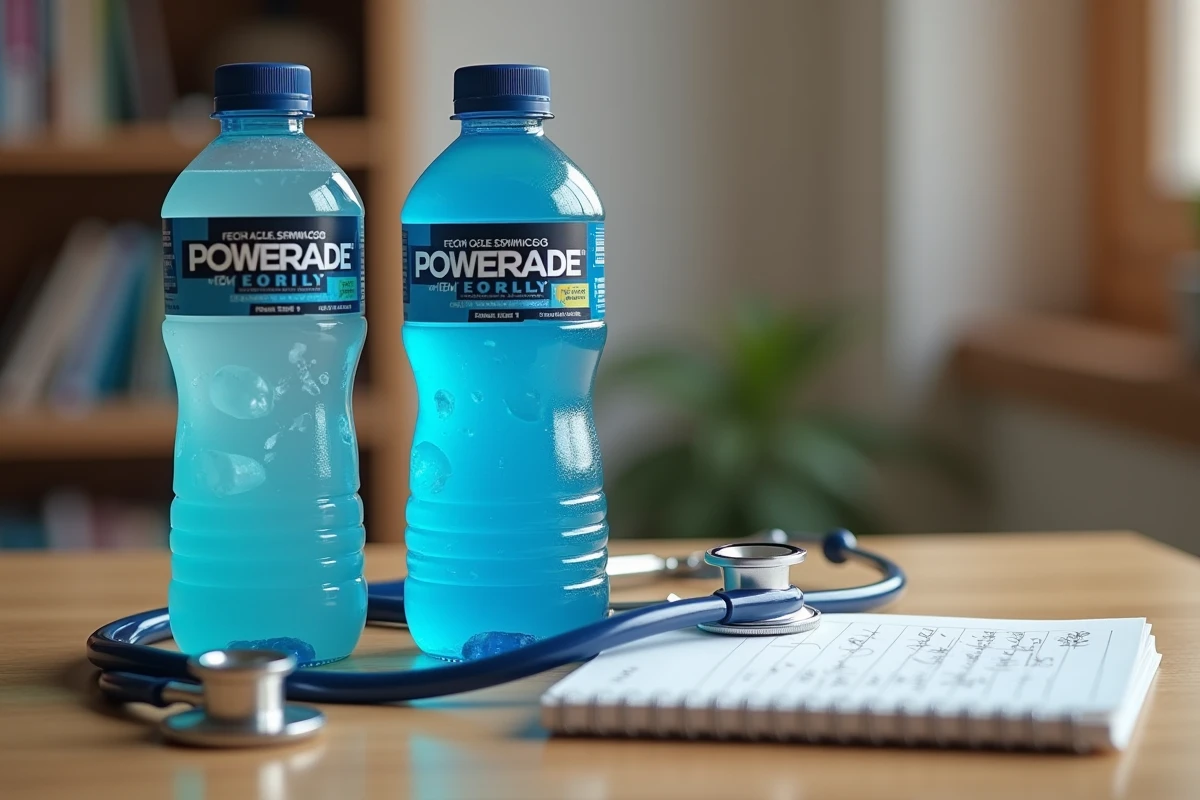
An athlete who trains daily for more than an hour under high sweating conditions derives real benefits from an isotonic drink. Powerade then fulfills its role: maintaining hydration and compensating for electrolyte losses during and after exertion.
For a sedentary person or an occasional practitioner, daily consumption of Powerade offers no measurable physiological advantage. Water remains the most suitable hydration vehicle, without acidity, excess sodium, sugar, or sweetener.
The populations most exposed to the adverse effects of regular consumption outside of sports are adolescents and young adults. They are the largest consumers of sports drinks outside of any training context, and those for whom dental erosion progresses the fastest according to available data.
Powerade is not a dangerous product. It is a performance tool designed for a specific context. Used outside of this context, it exposes users to cumulative effects on enamel, sodium balance, and, for the sugary version, glycemic regulation. The question is not to be wary of it, but to reserve its use for situations that justify it.