Have you ever noticed that the license plates of new cars parked on your street do not start with the same letters as your own vehicle? This difference is not random. The French registration system assigns combinations of letters and numbers in a precise order, and the last registration issued says a lot about the pace of new registrations.
Order of letter increment on a SIV plate
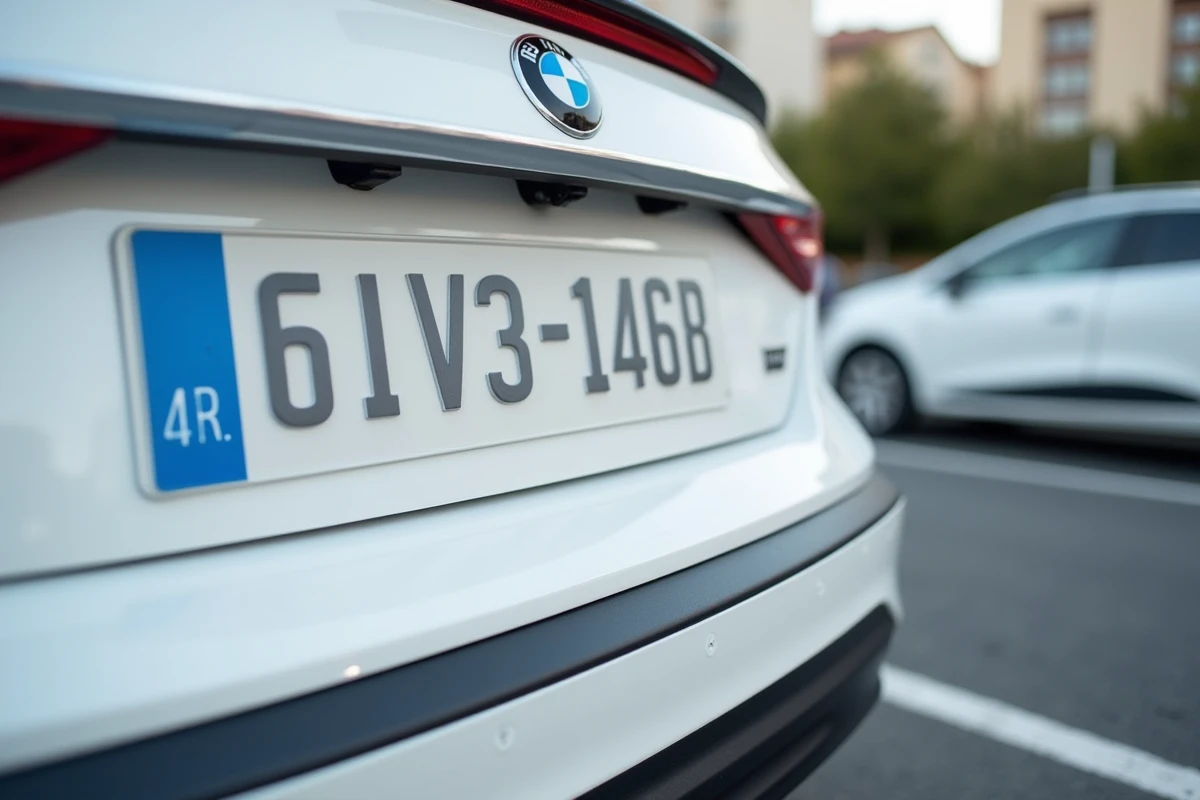
The current format, known as SIV, is structured as two letters, three numbers, two letters (for example AA-001-AA). This format replaced the old FNI system, which linked the number to the owner’s department of residence.
What distinguishes the SIV is the sequential logic. The characters do not change all at once. They progress from right to left, like a reversed odometer.
To delve deeper into how this counting works and its current state, a detailed article discusses the latest registration in France on Auto World with an explanation of the current letter series.
Here’s how the counter advances, in order:
- The three central numbers rotate first, from 001 to 999, before any letter changes.
- Once 999 is reached, the two letters on the right move to the next combination (AB, AC, etc.), and the numbers reset to 001.
- When the right letters reach ZZ, the first pair of letters advances by one (from AA to AB, then AC, etc.), and the rest starts over from zero.
This mechanism offers several million possible combinations before being exhausted. The transition from one initial letter series (A, B, C…) to the next takes several years, as each initial letter covers a very large volume of numbers.

Excluded letters and filtered combinations on French plates
Not all letters of the alphabet appear on the plates. The letters I, O, and U are excluded from the SIV system. The reason is simple: I can be confused with the number 1, O with 0, and U with V. This filtering reduces the usable alphabet to 23 letters.
Beyond this technical exclusion, the administration applies a second, less known filter. Certain combinations of two letters are removed because they form abbreviations deemed offensive or embarrassing. Sequences that evoke vulgar terms or sensitive acronyms are blocked before assignment.
This double filtering explains why the counter does not progress in a perfectly linear manner. Some combinations are skipped without the driver being informed. The number assigned to your vehicle is therefore not strictly consecutive to that of the vehicle registered just before.
Series H, J, K: what the first letter reveals about a vehicle’s age
Since the launch of the SIV in April 2009, the very first registration issued was AA-001-AA. Series A covered the first years of operation. Then series B, C, D, E, F, and G followed.
Series H began in 2021, as announced by the ANTS (National Agency for Secure Titles) at the time. The following series (J, K…) have since been issued at a pace that has slowed compared to the peak of registrations observed after the health crisis.
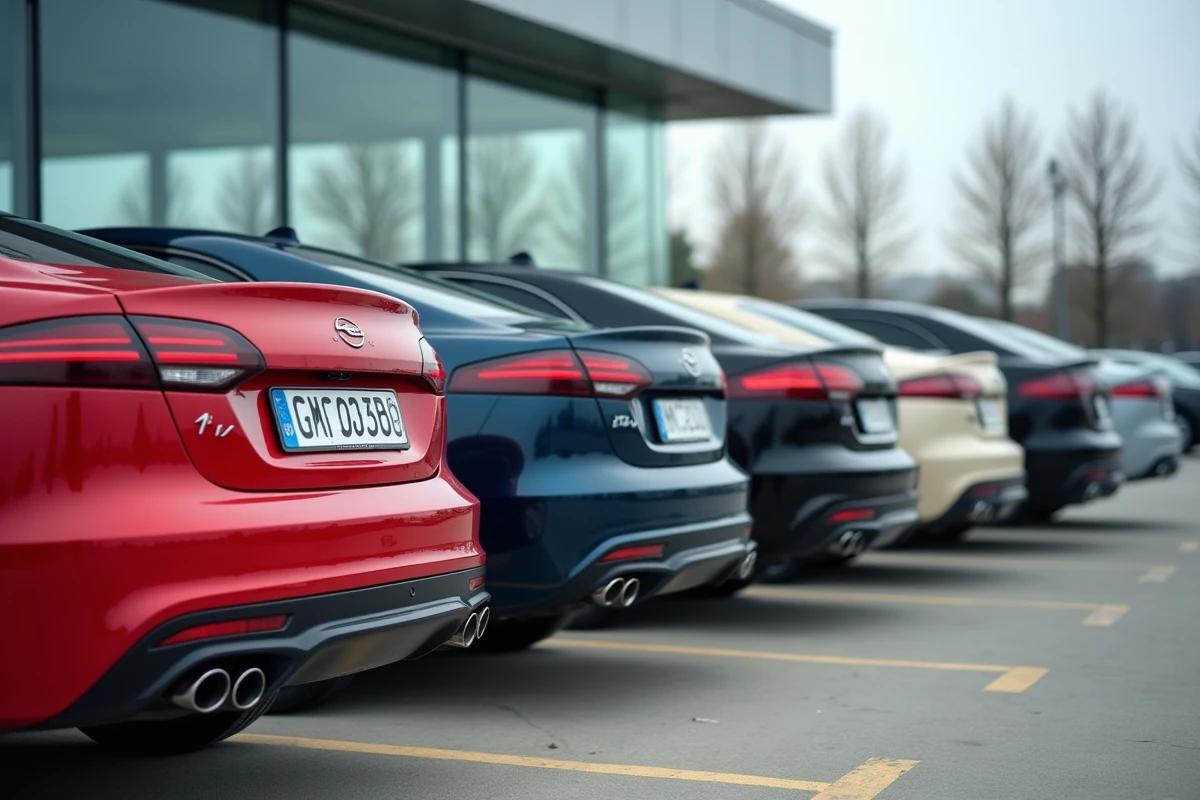
This progression allows for a quick reading of a vehicle’s age. A plate starting with B or C indicates a vehicle registered in the very early years of the SIV. A plate in G or H corresponds to a much more recent vehicle.
Dating a vehicle by its plate without a registration certificate
Do you come across a used car whose seller claims a recent registration? Checking the first letter of the plate gives an immediate clue. If the plate starts with D while the seller talks about a recent vehicle, there is inconsistency. This is not formal proof, as a vehicle can be voluntarily re-registered, but it is a useful signal.
Enthusiasts, particularly on the Francoplaque website, maintain precise correspondence tables between letter combinations and allocation periods, quarter by quarter. These tables allow you to locate a number to within a few months.
WW plates and black plates: letters outside the counter
Some plates do not follow the sequential logic described above at all. The most common are provisional WW plates, issued when purchasing a new or imported vehicle pending its final registration.
These WW plates have gained visibility in recent years. A European regulatory evolution has expanded their validity: the mention limiting circulation to national territory has been removed from the provisional registration certificate. A vehicle with a WW plate can now circulate throughout all EU countries.
Another special case: the black plates sometimes seen on vintage cars. They do not fall under the SIV but the old FNI system, and their format (numbers followed by letters then the department code) adhered to a geographical logic, not chronological at the national level.
Territorial identifier: the department on the SIV plate is a free choice
On a SIV plate, the department number displayed on the right (with the region logo above) does not necessarily correspond to the owner’s place of residence. The driver freely chooses the department they wish to display.
This choice has no administrative value. It does not appear on the registration certificate and does not alter the registration number itself. Changing the displayed department simply means ordering a new physical plate, without any procedure with the ANTS.
The number assigned at the time of the first registration remains the same throughout the vehicle’s life, regardless of the number of successive owners or relocations. Only the destruction or export of the vehicle ends this registration.
The next time you observe the first letter of a plate in a parking lot, you will be able to roughly determine the age of the vehicle, spot any inconsistencies, and distinguish a permanent plate from a provisional WW plate.