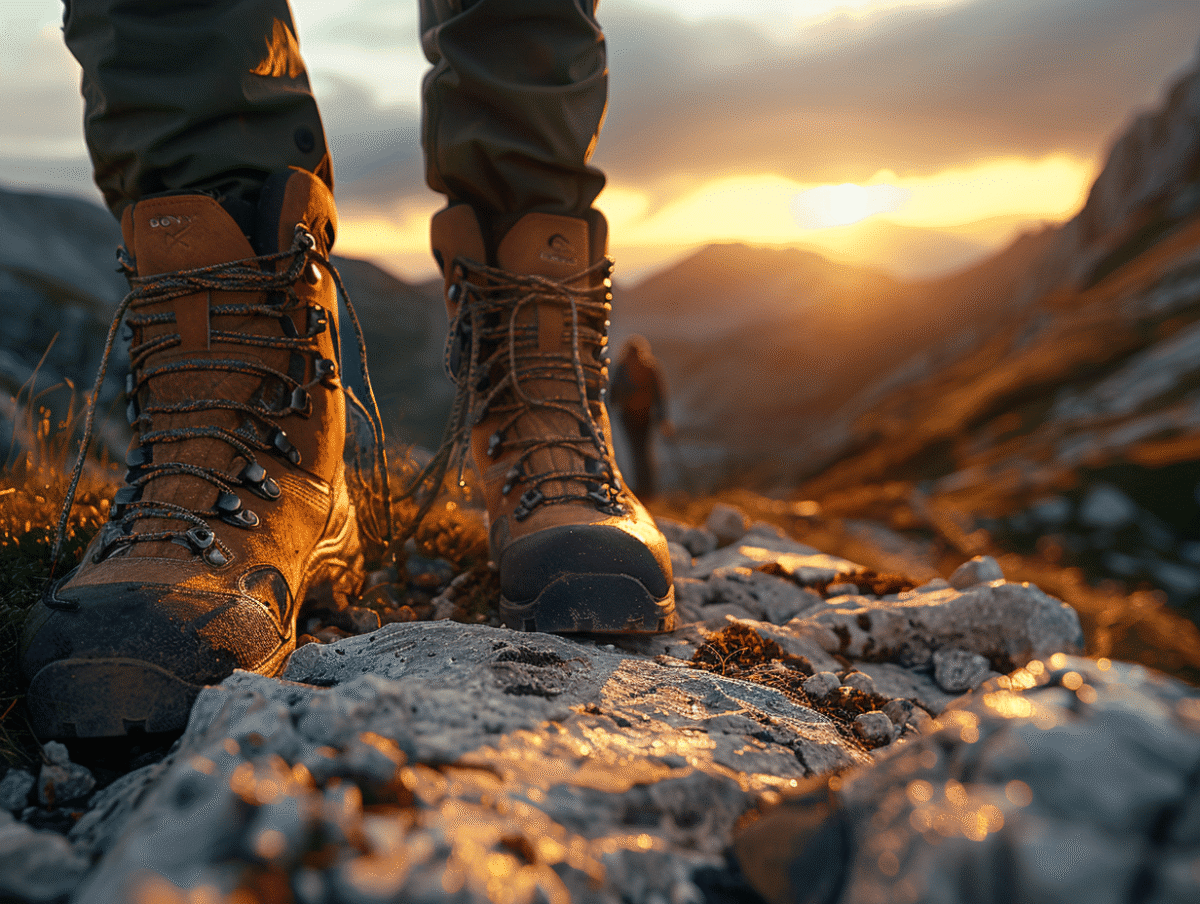
When it comes to hiking, the choice of shoes can make all the difference. One often underestimated aspect is the weight of these shoes. Too heavy boots can increase fatigue, reduce agility, and raise the risk of injuries. Conversely, shoes that are too light may not provide the necessary support and protection on difficult terrain. Finding the perfect balance between lightness and functionality is essential to optimize performance and enjoyment while hiking. This influences not only immediate comfort but also endurance and the ability to cover long distances with ease.
The impact of shoe weight on hiking performance
The weight of hiking shoes has a direct influence on the hiker’s effort management. Heavier shoes require additional muscle work with each step, thus increasing overall energy expenditure. On technical or rugged terrain, a sturdy shoe, equipped with technologies such as Gore-Tex for waterproofing or Vibram and Contagrip for grip, may be necessary to ensure comfort and durability. However, the choice should be made based on the interaction between shoe weight and trail difficulty.
Hikers should also consider the weight of their backpack when selecting their gear. A heavier load often requires shoes with more support and protection, which can lead to increased weight. The decision should then reflect a compromise between the necessary protection and the desire to minimize the total weight carried.
How to choose the right hiking shoes also depends on the suitability for the type of terrain. Softer trails allow for the use of lighter and less structured shoes, while rocky or slippery paths require specific features to prevent slips and falls. Therefore, the shoe should be selected considering its characteristics while aiming for optimal weight.
The choice of shoe should adapt to the individual concerns of the hiker, which vary according to experience level. Beginners might prioritize safety and opt for shoes that offer better protection, while experienced hikers might favor lightness for enhanced performance. Analyzing shoe weight should be accompanied by a reflection on their ability to meet the specific demands of the route and the hiker themselves.

How to choose the right shoe weight for your hikes
The main components of a hiking shoe, namely the sole, midsole, upper, materials, lacing, toe caps, and tongue, play a crucial role in determining the final weight of the shoe. Choosing lightweight and durable materials like nylon or synthetic fabrics can help reduce weight without sacrificing durability or strength. Technologies like Gore-Tex ensure waterproofing, while Vibram or Contagrip soles provide optimal grip.
Every foot is unique in terms of size, width, volume, and arch, highlighting the need to try different shoes before making a purchase. The minimalist shoe with less structure may be suitable for those seeking a light feel and better proprioception, but it may not be suitable for all foot types or hikers.
Hikers should also consider the types of hikes they engage in: a lightweight trail shoe will be ideal for fast hiking, while a more robust and often heavier mountaineering shoe is essential for glacial terrains. The versatility of the shoe should be balanced with the specific activities practiced.
Accessories such as socks and insoles can also influence the feeling of weight and comfort. Properly fitting socks help prevent blisters, while a well-fitted insole can enhance support and stability. In some cases, opting for a hiking sandal can be an interesting alternative to lighten the load, especially in warm and dry conditions.
Choosing the right shoe weight for your hikes involves considering the nature of the activity, the unique characteristics of your feet, and the components of the shoe. Take the time to try and compare, and find the balance between lightness, comfort, and safety for your outdoor adventures.